
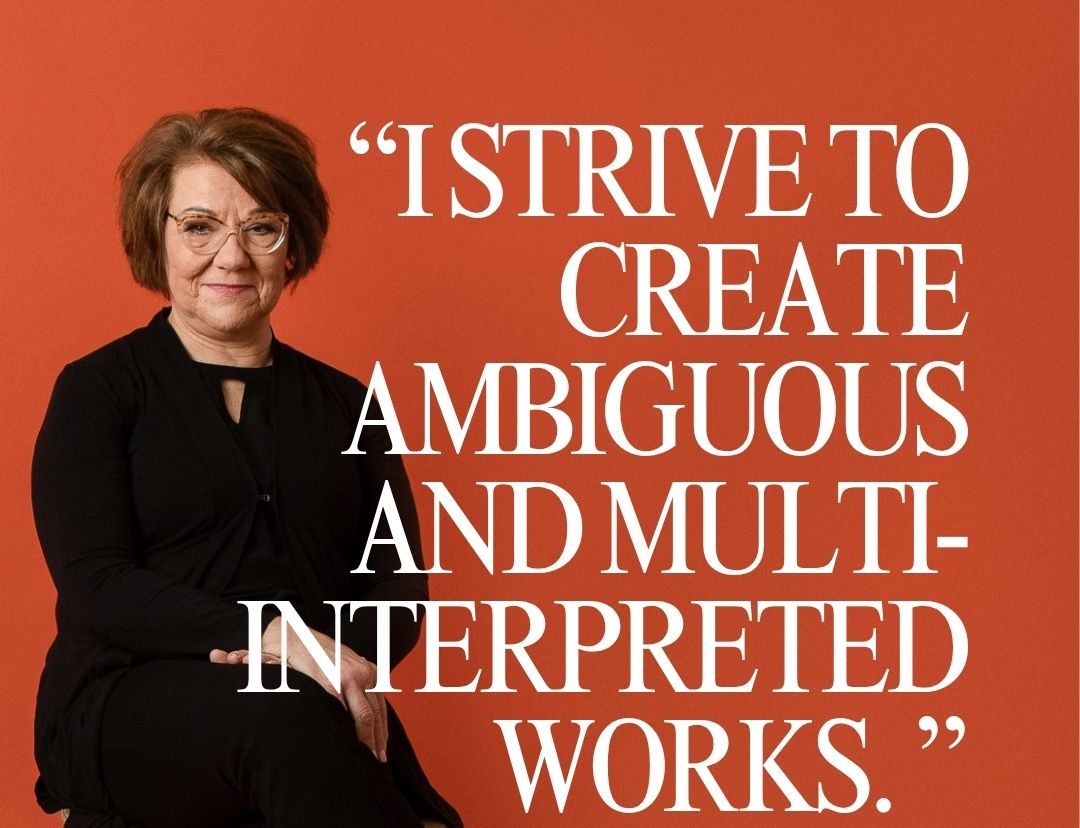
“I strive to create ambiguous and multi-interpreted works.” interview with artist Leena Vainio
In this interview artist Leena Vainio reflects on how deeply personal experiences of trauma, grief, and impermanence are transformed into an abstract visual language that resonates on a universal level. Through fragile materials, layered processes, and an embrace of both destruction and renewal, their work invites slow, contemplative encounters where beauty, vulnerability, and hope quietly coexist.
At the core of your work are themes of vulnerability: trauma, grief, and impermanence. How do these personal experiences transform into a visual language in your work, and at what point does the private become universal?
“I pick fragments, small parts of memories or the colors or materials associated with them as parts of my works. I often bring the expression into an abstract form; then it resonates freely also on a universal human level. I use old fragile objects and textiles as materials, which in themselves remind me of transience. They are also beautiful. That is how I combine longing for beauty and transience in my works.”
You often use materials such as bedsheets, linen fibers, and embroidery —materials that carry traces of lived life and physicality. What do these materials enable that painting alone could not?
“Old textiles and objects are often included in my installations. They are my way of making three-dimensional works that show the same organic trace and rhythms as my paintings. They are also recycled materials. It is important to me to give for old worn-out goods a new life.”
You have said that art does not need to open up to the viewer immediately.
What kind of encounter do you hope for between the viewer and your work, and what role do slowness or difficulty play in your art?
“I want to achieve both technical and content-based layering in my works. I strive to create ambiguous and multi-interpreted works. Then you also need time with them. Easy works are boring.”
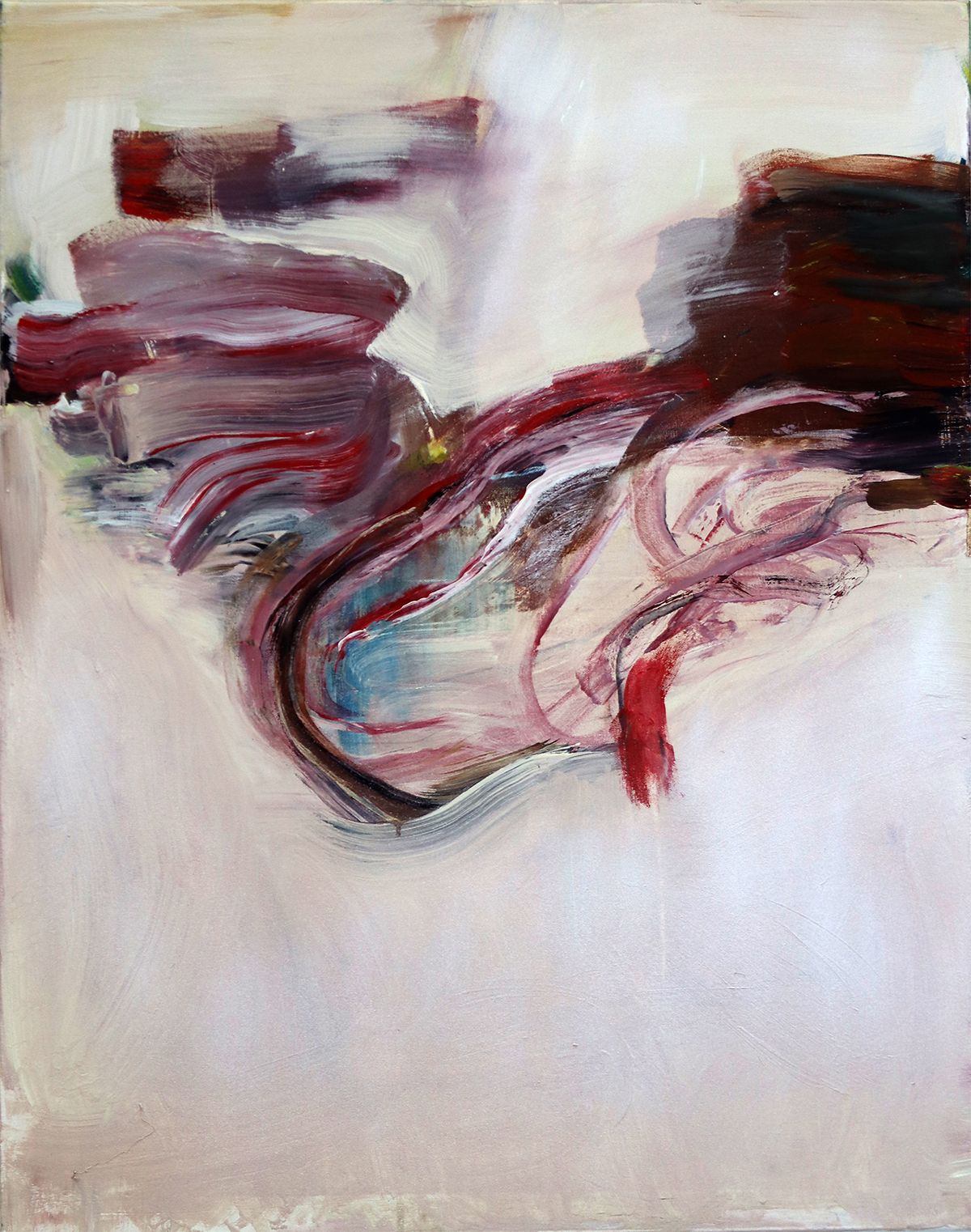
Your process often involves breaking and reassembling, both physically and conceptually. Is this process more intuitive or consciously constructed for you, and what does it reveal about the way you understand life?
“Many of my installations, especially my ceramic works, end up ruined. The organic form I strive for is often left too loose. Then they are hazardous waste. Instead, the fragments created as a result of their breaking are themselves a reminder of disintegration, war, and, on the other hand, human fragility. “
“Breaking is also an opportunity to leave behind the burden and build something new. Breakups are an inevitable part of life; they can also be beautiful. Failure is also a part of life and, to a large extent, a part of art work.”
There are often elements of hope and light present in your works, even when dealing with heavy themes. How do you balance darkness and light and is hope a starting point for you, or something that emerges in the end?
In life and art, at the core are renunciation and beauty. Hope and light and joy lie within that space.
What makes art the most important way to express your experiences?
Art work is painful and at the same time the most wonderful thing I know. The work is intense and requires such complete concentration that everything else is forgotten. I sometimes feel I dive in colors, they are so fascinating and give me joy and comfort.
Leena Vainio website: https://www.leenavainio.com
Leena Vainio instagram: https://www.instagram.com/leena.vainio_visual.artist/