
Interview with artist Johanna Kestilä
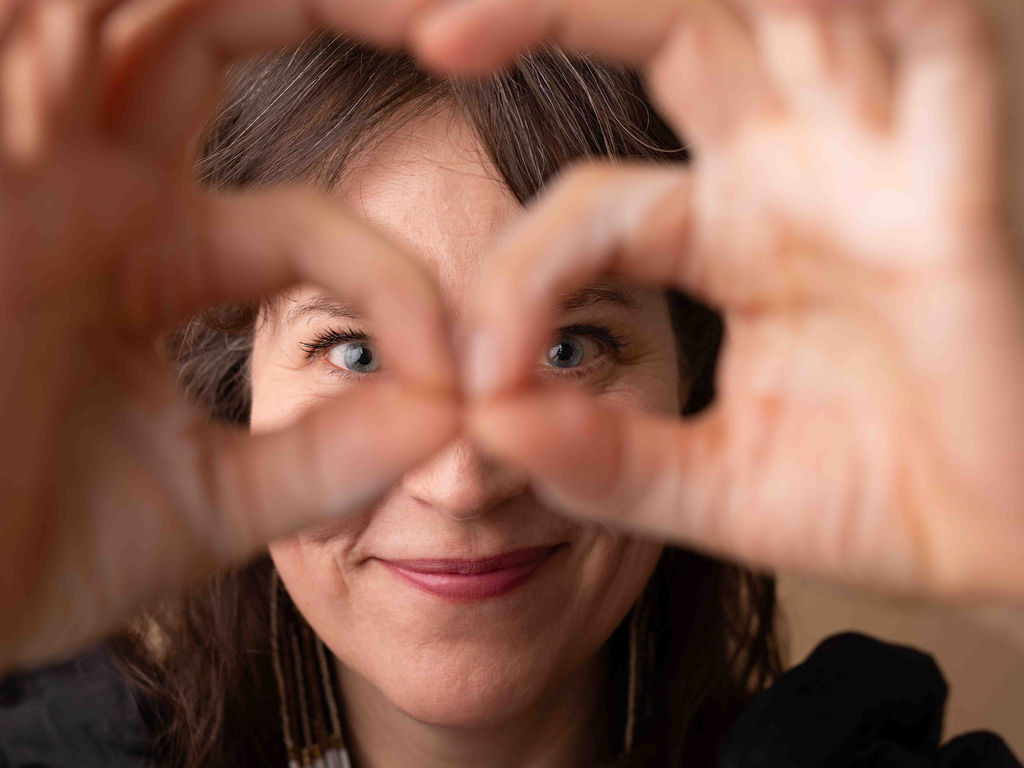
Photo: Aino Råman Photography
Artist Johanna Kestilä interviewed by founder of Finnish Art Agency and Slow Art Gallery -concept Laura Köönikkä.
How does it feel to see your works in an exhibition in Helsinki? What has changed since your last exhibition?
“It feels good to return to Helsinki again. Since my last exhibition at AmaGallery, quite a lot has changed—my practice has become more international, which now allows me to exhibit in Finland with a sense of calm. Being here feels grounded and unhurried, like coming home.
This exhibition is quite intimate and reflective. Working with Slow Art Gallery felt natural, especially given the pace of the past few years, which have been intense and demanding. In that sense, this show represents a moment of rest and consolidation before I begin preparing for a larger exhibition at Vaasa Art Hall later this autumn.”
You deliberately destroy and rebuild your own works: do you see this as an act of control, or a surrender to something beyond your authorship?
“The act of destruction is controlled, but I always leave room for chance—that’s what keeps a vital tension in the work. I don’t want to overdetermine the process, or the final result might feel forced. For me, it’s a process-based play that only ends when I feel I’ve extracted everything possible from the piece. Things are happening in my works that aren’t immediately obvious; they require a prolonged gaze to reveal the layers and details born from this cycle of rebuilding.”
You had your works exhibited in New York recently. How did it differ from exhibiting in Finland or Europe?
“The logistical demands were massive, but the biggest difference was the intensity of the public. The crowd in New York was so large that there had to be someone at the door to manage the flow. The exhibition was a collaboration with Harsh Collective, and the gallerist Etta did an incredibly bold and fearless installation. I’ve only recently noticed that larger galleries seem to be following suit with that style. I was surprised by how deeply visitors engaged with the work. Many, especially art students, had researched my practice beforehand. The questions were incisive and the dialogue was incredibly active; the work was truly under a microscope in the best possible way.”
Your practice is rooted in memory and emotion, how do you deal with the possibility that these are unreliable or even self-constructed narratives? Does that uncertainty matter in your work? To what extent do you consider these elements as personal registers versus shared or collective frameworks within contemporary abstraction? How do you see the relationship of private and public in your own creative work?
“To me, it is clear that memories are not always unreliable—but very few things in this world are. The core of my work is simply trying to understand something about humanity and the resonance between people. I feel my work is less confessional than that of artists who depict specific current events. I strive to stay on the sidelines and act as a visual scribe. While every artist’s mark is individual, I’ve reached a level where I can understand various emotional registers deeply. Perhaps my messages are only felt by those who share something similar; this is why some react with great intensity while others remain unaffected.”
Your background includes textile design and art therapy: fields often associated with care and functionality. How do you resist being confined by those expectations within the contemporary art context? How do these practices support your work as a painter?
“I’ve always followed my own path. In my textile studies, I focused on art and performance rather than traditional pattern design. In addition to composition, I am an incessant tinkerer—I can work on one painting for months, obsessing over every detail until it’s almost in the right place. However, my art therapy studies brought a counterbalancing sense of freedom. It helped me realize that while I work intensely, I don’t have to force a specific outcome. This release from worrying allows me to be a perfectionist in my process while still letting the work find its own resolution.”
Your lines move freely on the canvas and the artworks look really effortless yet structured. You embrace chance and intuition in your process, but is there a point where “intuition” becomes a comfortable habit rather than a risk? How do you keep your practice from becoming predictable?
“Although my process includes intuitive phases, it involves many other stages. Relying on intuition alone would be too simplistic—I wouldn’t be able to sustain a practice that way. I’m not a creature of comfort; I’m always looking for something new to explore. Mastering new methods takes time, and I often struggle with that pace. For me, the whole point of making art is that you don’t know for certain what is going to happen. If everything starts to feel predictable, the work begins to slide into a different territory altogether. These shifts aren’t always visible, but they are essential to keep the alertness in the practice alive.”
Your works appear harmonious, even meditative but beneath that surface is fragmentation and reconstruction. Is the calmness a resolution, or is it masking something more unsettled?
“The calmness isn’t a mask; it’s the point where the pieces finally fall into place after all the fragmentation and tinkering. A harmonious result means I’ve managed to capture the chaos of the process in a form that can exist in peace. The restlessness hasn’t vanished—it remains present within the layers—but the final surface is about acceptance. It is a resolution that gives space to all the turmoil the creation of the required work. It’s also worth mentioning that sometimes I create absolutely terrible works that I destroy immediately. “
Exhibition open for all audience on the 12th of June at 10 – 6pm and 14th of June at 11-4pm! Welcome! Korkeavuorenkatu 2 b, F-entrance, 3rd floor.
Johanna Kestilä website: https://johannakestila.com
Johanna Kestilä instagram: https://www.instagram.com/kestilajohanna/