
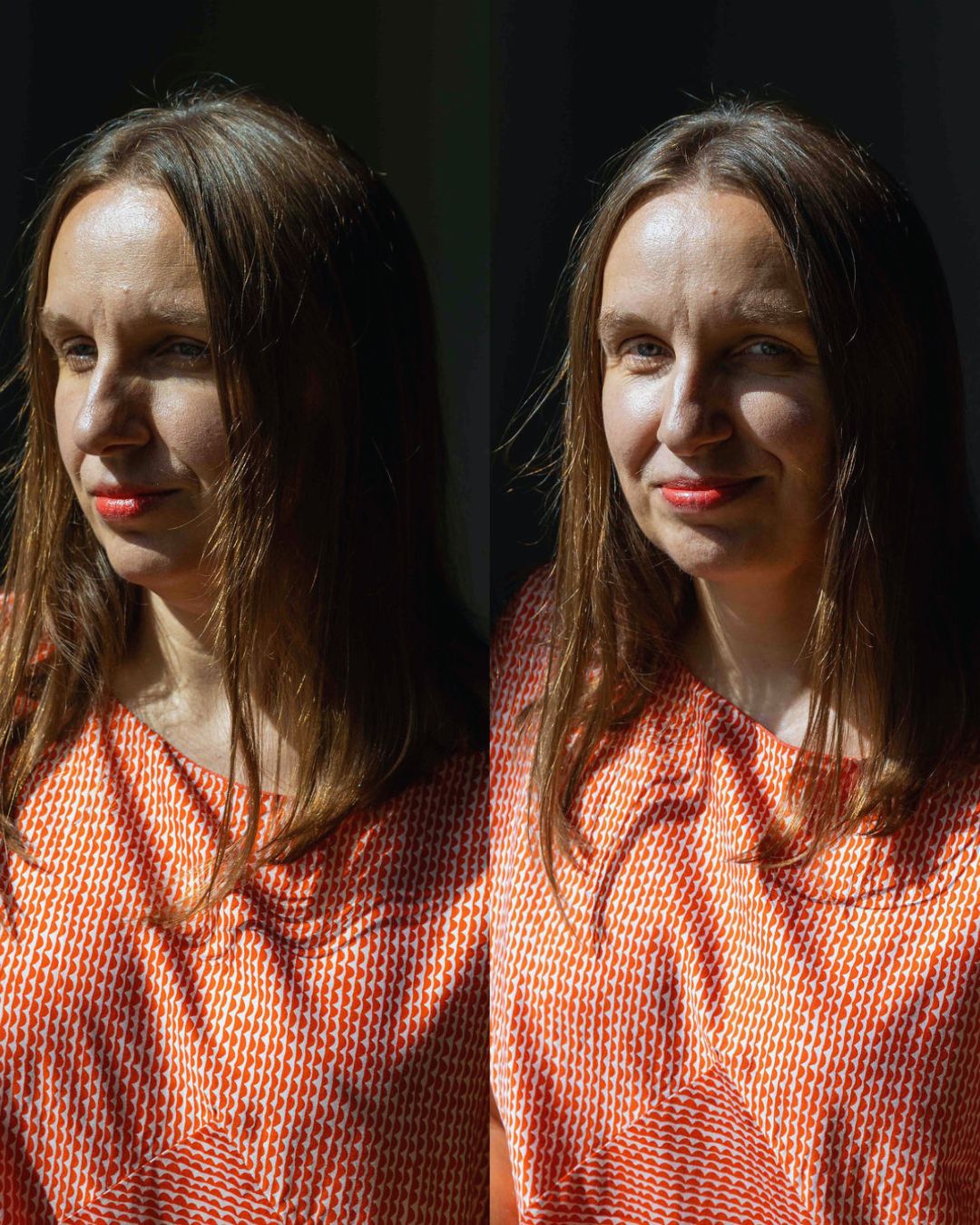
Ilmaisua, riippumattomuutta ja tunteiden kirjo. Slow Art Gallery – Haastattelussa Agnieszka Wajda-Hänninen
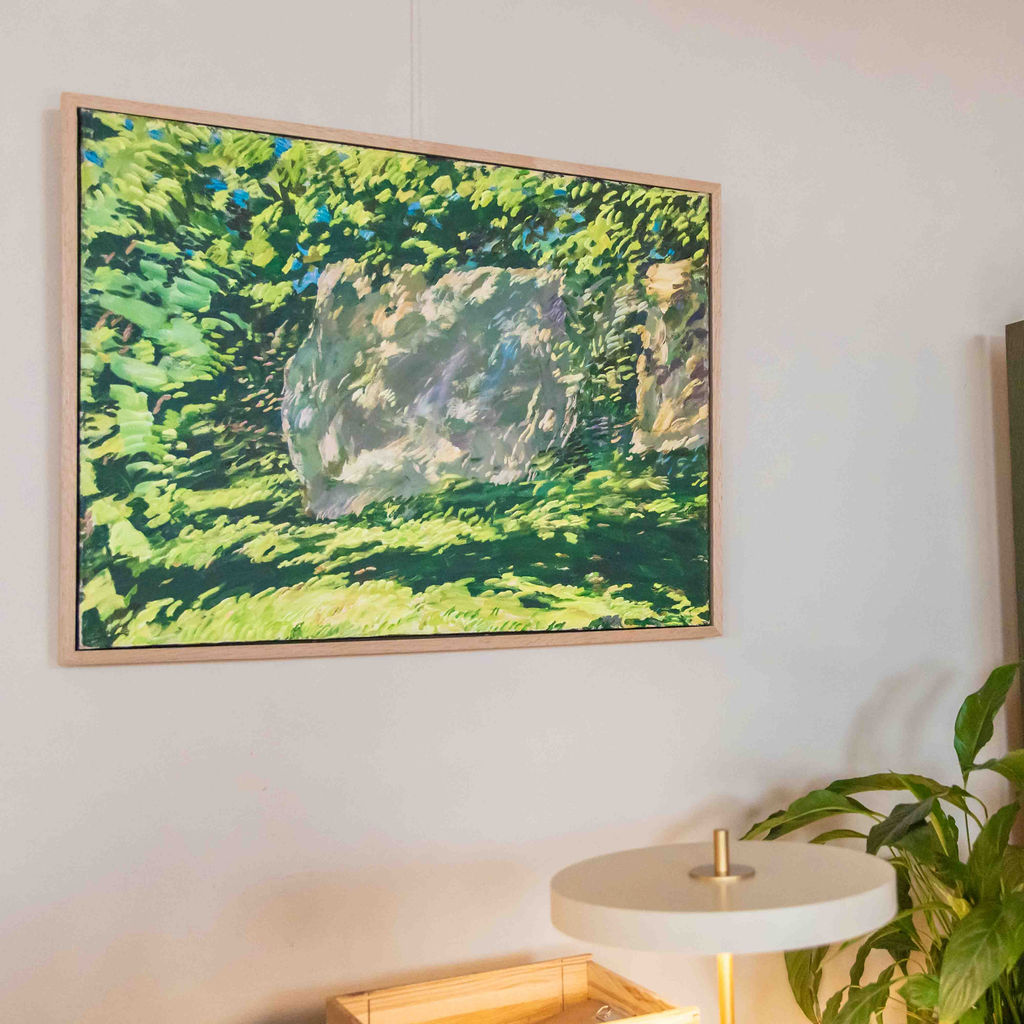
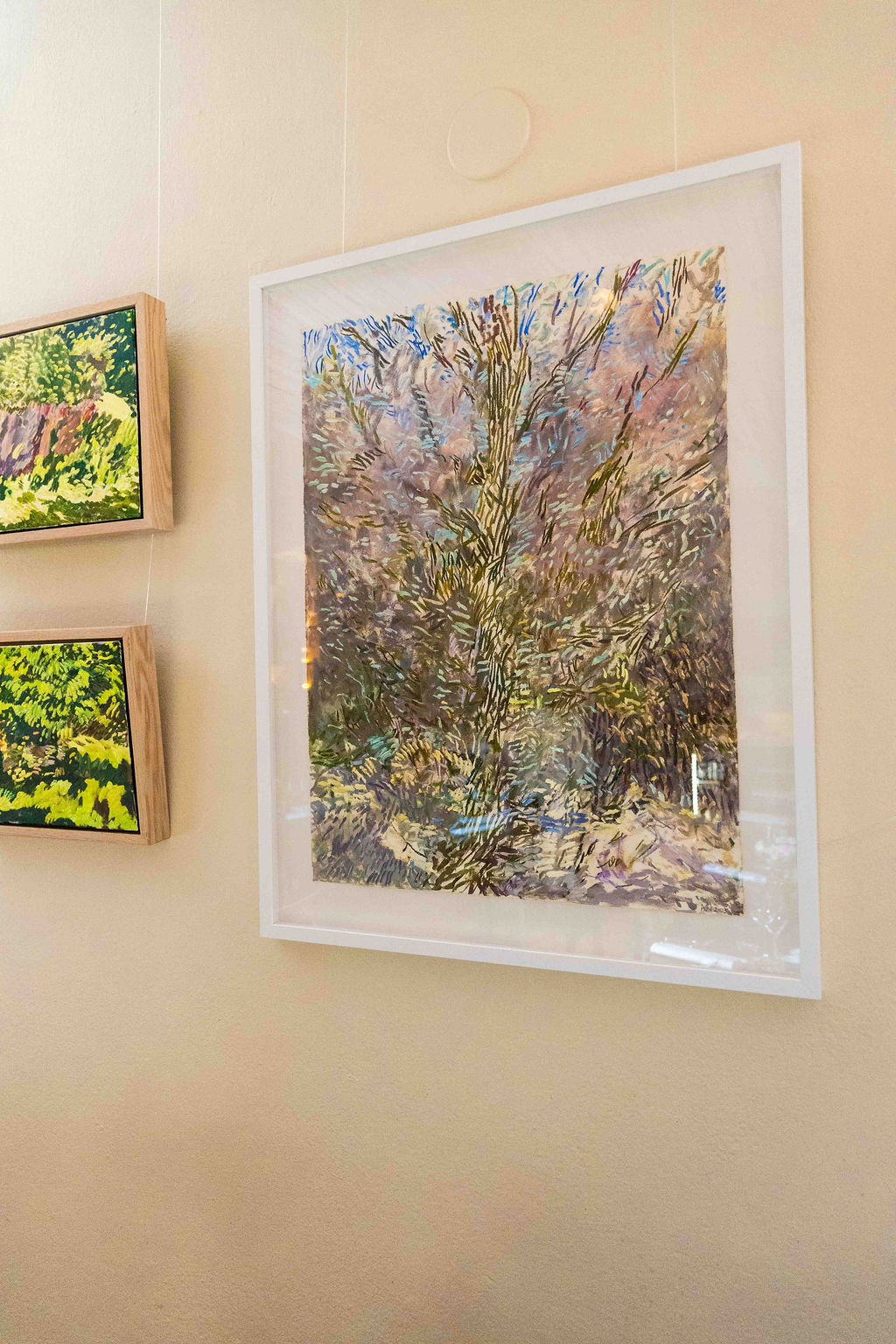
Slow Art Gallery x Finnjävel näyttelyssä Agnieszka Wajda-Hänninen, näyttely avoinna ravintola Finnjävelin avoinnaoloaikoina lokakuun 25.pv saakka. Ei sisäänpääsymaksua, teokset myynnissä.
Kuvat: Aino Råman Photography
Agnieszka, kerro, miksi juuri haluat maalata ja piirtää kukkia, luontoa ja hetkellisiä tapahtumia?
Maalaan sitä, mikä ikään kuin kertoo minulle haluavansa tulla maalatuksi. Kun työskentelen, tunnen tietyn energian, joka ohjaa kättäni ja katsettani. Joskus aloitan maalaamisen, mutta tätä energiaa ei ole: silloin maalaus ei onnistu. Maalauksessa pidän välittömyydestä, avoimuudesta ja tuoreudesta. Ehkä siksi ohikiitävät hetket ja luonto ovat minulle läheisiä aiheita.
Mitä värit merkitsevät sinulle? Kun ajattelet Suomen värejä ja vertaat niitä synnyinmaasi Puolan värimaailmaan, miten nämä eroavat toisistaan? Ja miten se näkyy taiteessasi?
Väri on minulle suuri mysteeri ja maalaustaiteeni perusta. Rakastan väriä. Värillä on suuri voima – se tuo muodon esiin ja hajottaa sen.
Suomessa valo ja sen myötä myös värit ovat yleensä voimakkaampia ja kirkkaampia kuin Puolassa. Pidän todella paljon valkoisten öiden salaperäisestä valosta.
Mielestäni Puolassa ja Suomessa maalaamieni teosten väreissä ei ole kovin suurta eroa. Tosin ehkä juuri kirkkaammat teokseni ovat syntyneet Suomessa.
Miksi olet taiteilija?
Ihmisillä on ollut jo hyvin pitkään tarve maalata, ja minullakin on sama tarve. Maailmassa on paljon asioita, jotka herättävät minussa tunteiden myrskyn. Maalaaminen on minulle kuin resetointi. Kun olen saanut maalauksen valmiiksi, tuntuu kuin voisin aloittaa alusta ja taas toimia normaalisti.
Olet myös kuvittaja. Miten kuvitustyöt eroavat taiteellisesta omasta tuotannostasi? Vai eroavatko ne jotenkin?
Kyllä, työskentelin jonkin aikaa kuvittajana, ja teen sitä edelleen, jos siihen tulee tilaisuus. Myös kuvituksessa pidän voimakkaista väreistä, dynaamisista sommitelmista ja tietynlaisesta keveydestä.
Minun tapauksessani kuvituksen ja maalaamisen ero liittyy ennen kaikkea tekniseen toteutukseen. Kuvituksessa käytän yleensä tietokonetta ja piirtoalustaa, kun taas maalaamisessa minulle ovat tärkeitä spontaanius ja suora kontakti materiaaliin; kankaaseen, paperiin ja niin edelleen.
Mitä hyvää taide tuo elämääsi?
Maalaaminen auttaa minua löytämään sisäisen tasapainon. Joskus se voi ilahduttaa ja ihastuttaa minua, joskus suututtaa ja joskus jopa tehdä surulliseksi. Se auttaa minua järjestämään tunteitani ja katsomaan erilaisia asioita etäämmältä.
Minkälaisia taiteellisia unelmia sinulla on omalle taiteellesi?
Haluaisin maalata niin, että ainakin joka kolmas tekemäni maalaus miellyttäisi minua itseäni. Ajattelen, etten ole vielä maalannut parhaita teoksiani. Unelmani on maalata ne.
Mikä merkitys yleisölle ja taiteen kohtaajalle sinulle on tekijänä? Ajatteletko yleisöä, kun teet teoksia?
En koskaan ajattele yleisöä silloin, kun maalaan. Työskentelin joskus jonkin aikaa mainonnan parissa, ja siellä yleisö ja vastaanottaja ovat hyvin tärkeitä. Jätin sen työn osittain juuri siksi, etten halua omassa taiteessani ajatella vastaanottajaa. Olen tietenkin iloinen, jos joku pitää maalauksestani, mutta sillä ei ole minulle suurempaa merkitystä sen kannalta, mitä tai miten maalaan.
Arvostan maalaamisessa riippumattomuutta ja ilmaisua. Minulle ilmaisun täytyy olla vapaata. Jos se alistetaan muiden odotuksille, se lakkaa olemasta ilmaisua.
Interview in English:
Agnieszka, could you tell us why you are drawn to painting and drawing flowers, nature and fleeting moments?
I paint what seems to tell me that it wants to be painted. When I work, I feel a certain energy that guides my hand and my gaze. Sometimes I start painting, but that energy is not there – and then the painting doesn’t work.
In painting, I like immediacy, openness and freshness. Perhaps that is why fleeting moments and nature feel close to me.
What does colour mean to you? When you think about the colours of Finland and compare them with the colour palette of your native Poland, how do they differ? And how does this appear in your art?
Colour is a great mystery to me and the foundation of my painting practice. I love colour. It has great power – it brings form into view and also breaks it apart.
The light, and therefore the colours, in Finland are usually stronger and brighter than in Poland. I especially love the mysterious light of the white nights.
I don’t think there is a major difference between the colours of the works I have painted in Poland and those I have painted in Finland. Although perhaps it is true that some of my brighter works were painted in Finland.
Why are you an artist?
People have had the need to paint for a very long time, and I have that need too.
There are many things in the world that create a storm of emotions in me. Painting is like a reset for me. Once I have finished a painting, I feel as though I can start again and function normally.
You are also an illustrator. How does illustration differ from your own artistic work? Or does it differ at all?
Yes, I worked as an illustrator for some time, and I still do it when the opportunity arises. In illustration, I also like strong colours, dynamic compositions and a certain lightness.
In my case, the main difference between illustration and painting lies in the technical process. For illustration, I usually work with a computer and a drawing tablet, whereas in painting, spontaneity and direct contact with the material – canvas, paper and so on – are very important to me.
What does art bring to your life?
Painting helps me find inner balance. Sometimes it can make me happy and fill me with delight; sometimes it can make me angry, and sometimes even sad. It helps me organise my emotions and look at different things from a greater distance.
What artistic dreams do you have for your own work?
I would like to paint in such a way that at least every third painting I make is one that I genuinely like myself. I feel that I have not yet painted my best works. My dream is to paint them.
What significance does the audience – the person encountering your art – have for you as an artist? Do you think about the audience when you make your work?
I never think about the audience when I paint. I used to work in advertising for a while, and there the audience and the recipient are very important. I left that work partly because, in my own art, I do not want to think about the viewer. Of course, I am happy if someone likes my painting, but it does not have much significance for what or how I paint.
What I value in painting is independence and expression. For me, expression has to remain free. If it is subordinated to other people’s expectations, it ceases to be expression.
Interview by Laura Köönikkä / Finnish Art Agency
Photos Aino Råman Photography